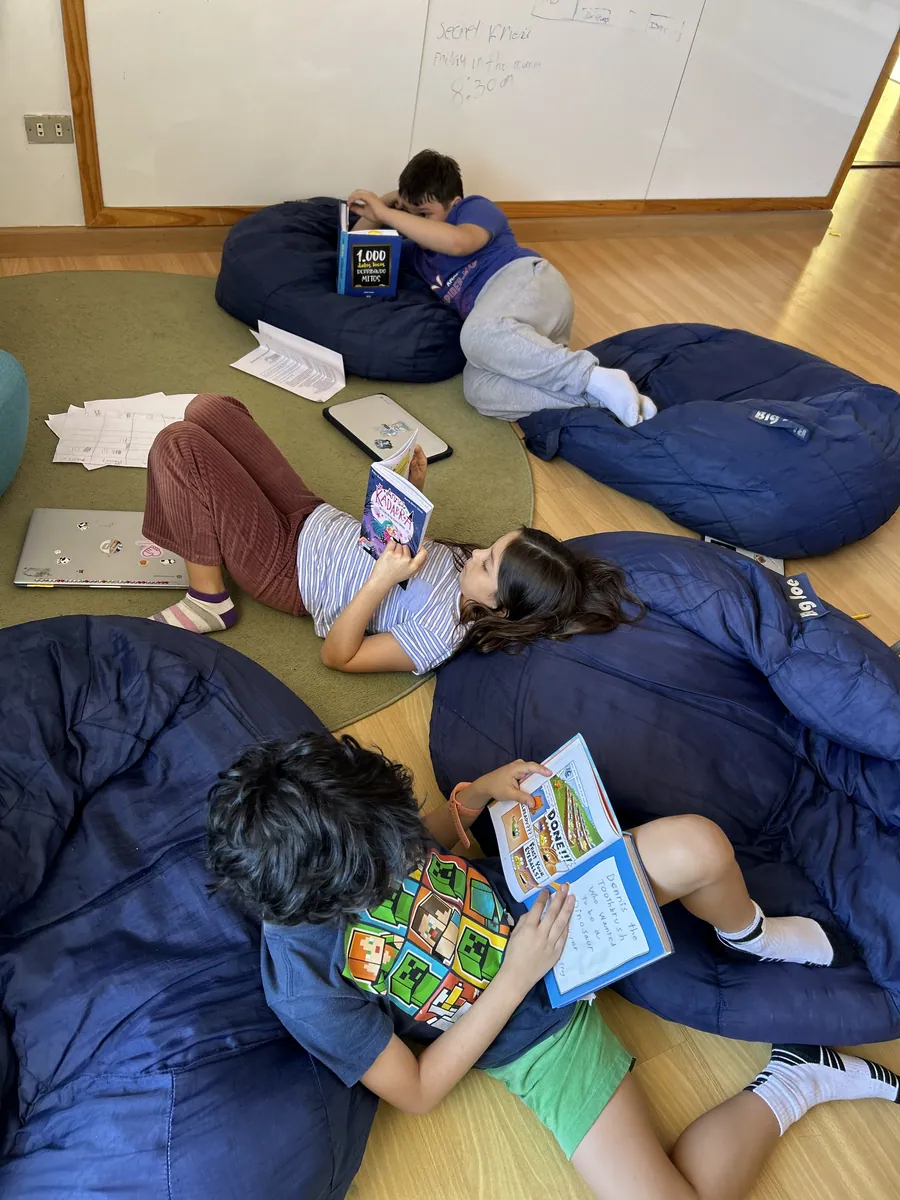
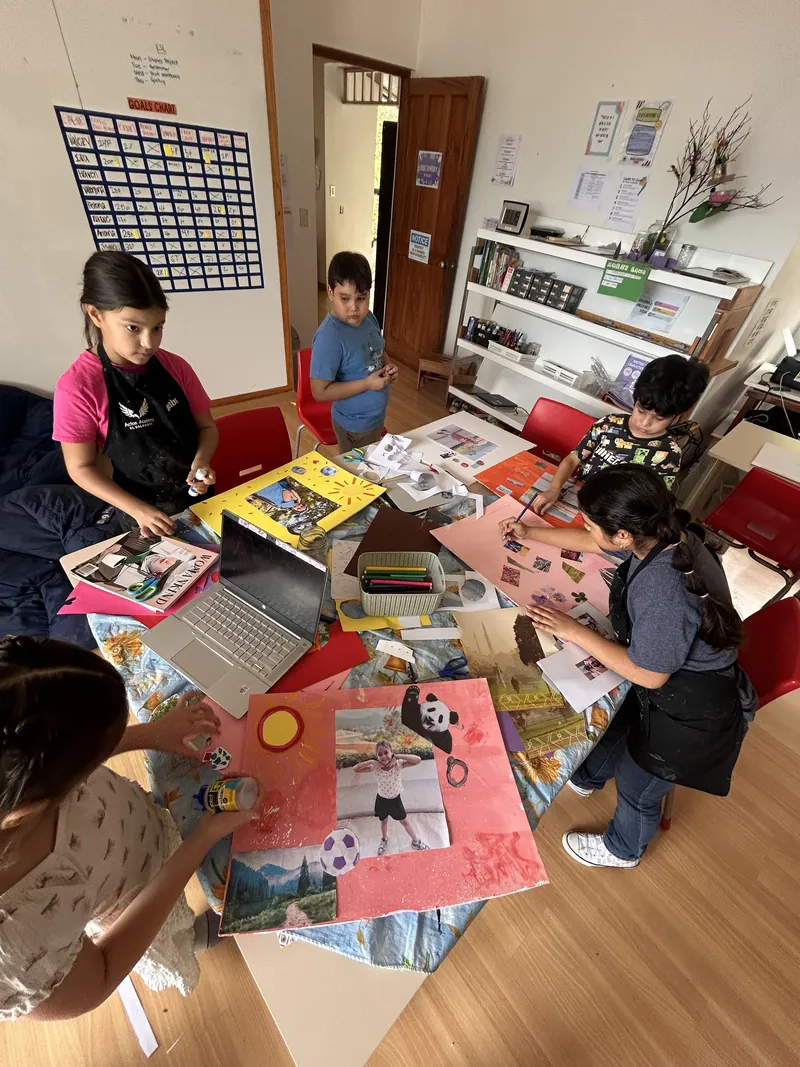
| Who directs the day | The teacher decides what happens and when. | Learners set their own goals every Monday and are accountable for finishing them. |
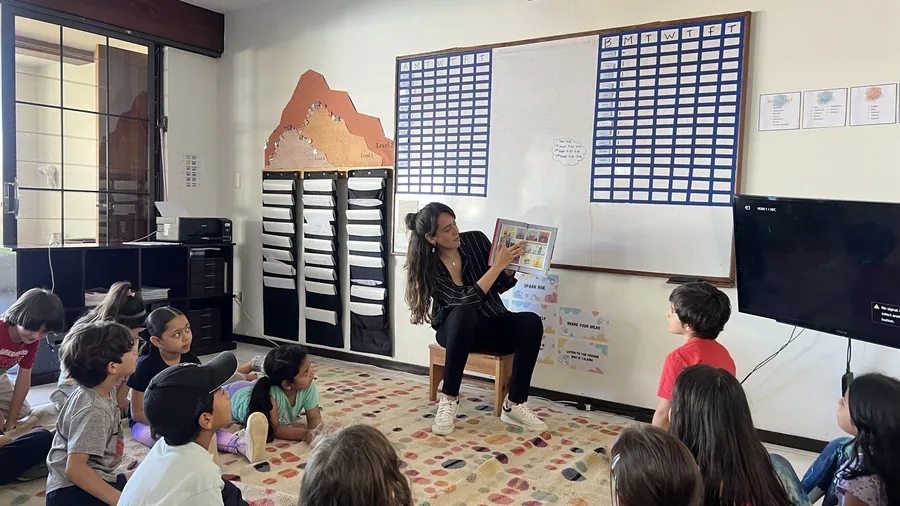
| Adults in the room | Teachers who lecture and hold the answers. | Guides who ask questions and never give the answer. |
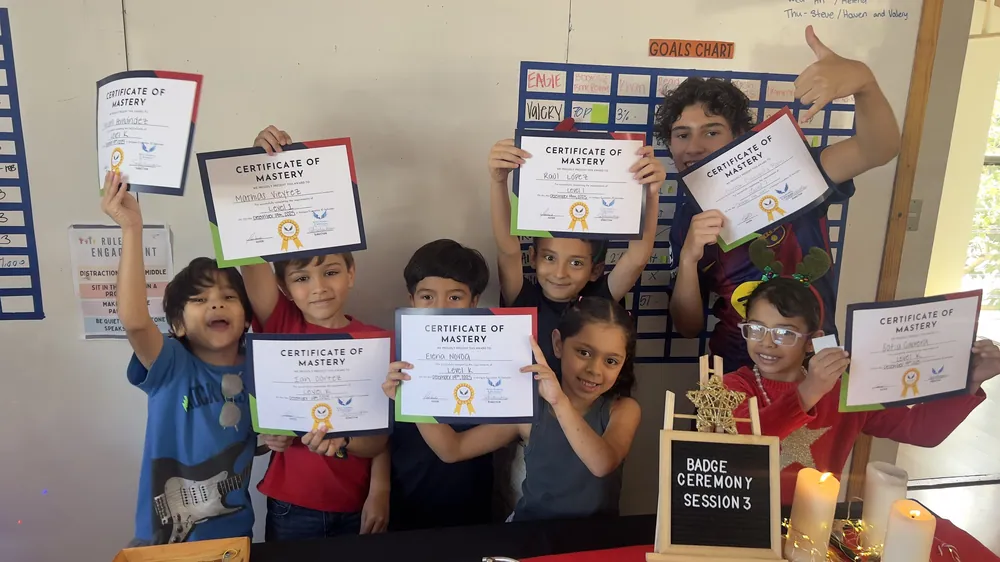
| Moving up a level | A 7 out of 10 passes you to the next grade, so 30 percent of the foundation is missing. | You move on at 100 percent mastery or you do not move on. Nothing is built on a soft foundation. |
| Pace | Everyone moves at the same speed, whether bored or drowning. | There is no speed limit. Some learners finish two grades in one year and graduate early. |
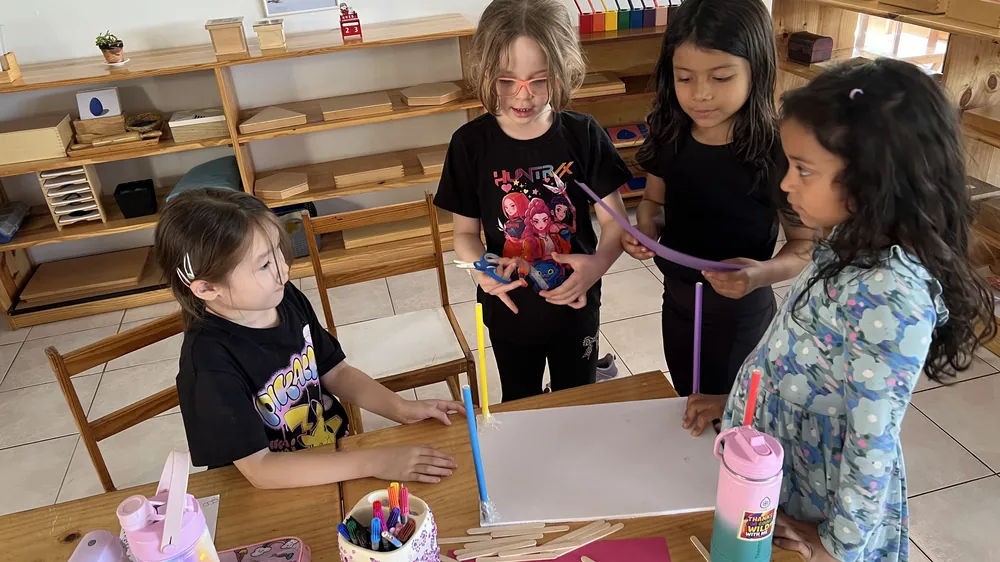
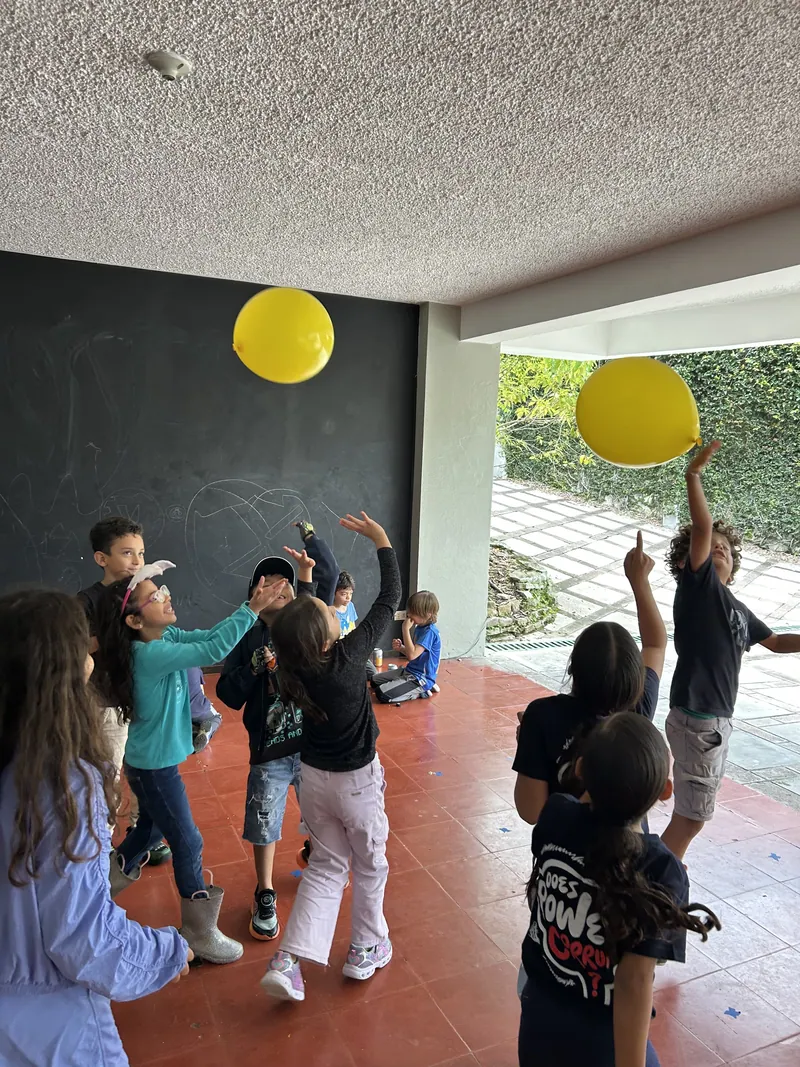
| Age grouping | One age per classroom. | Mixed age studios, where older learners teach and younger learners stretch. |
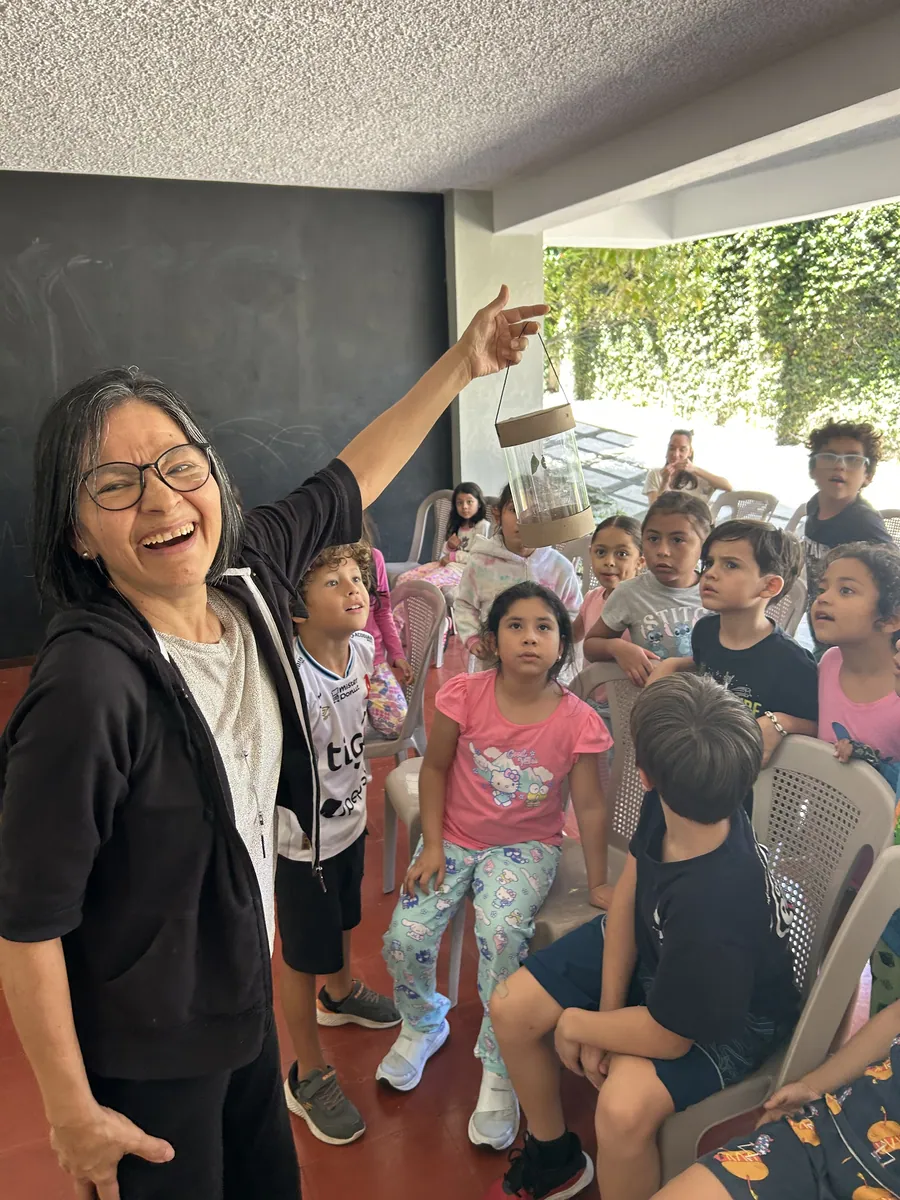
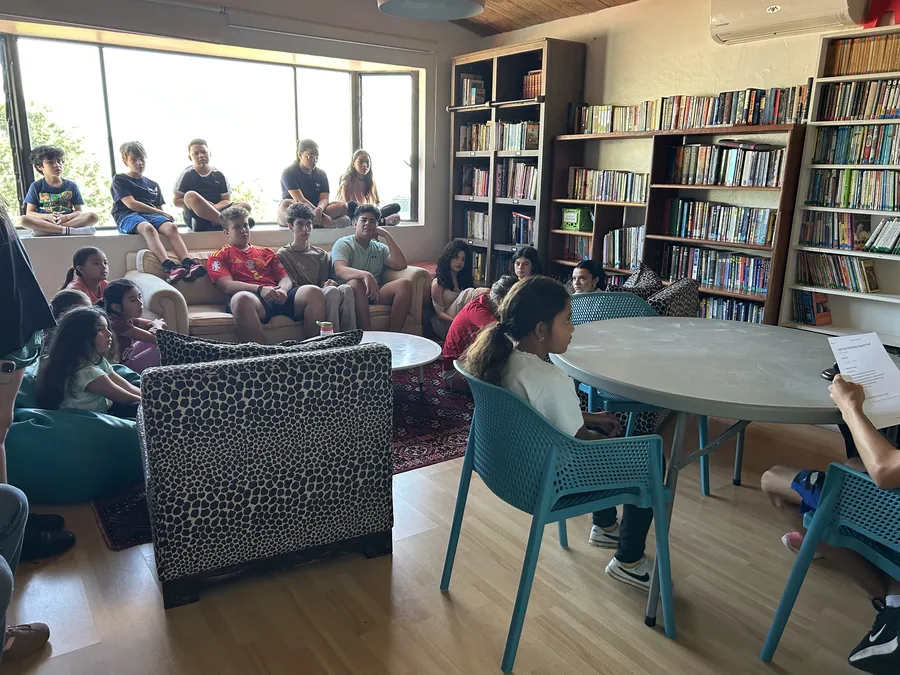
| How thinking is taught | Memorise, take the test, throw the test away. | Daily Socratic discussion on questions with no clean answer, where learners build and defend a position. |
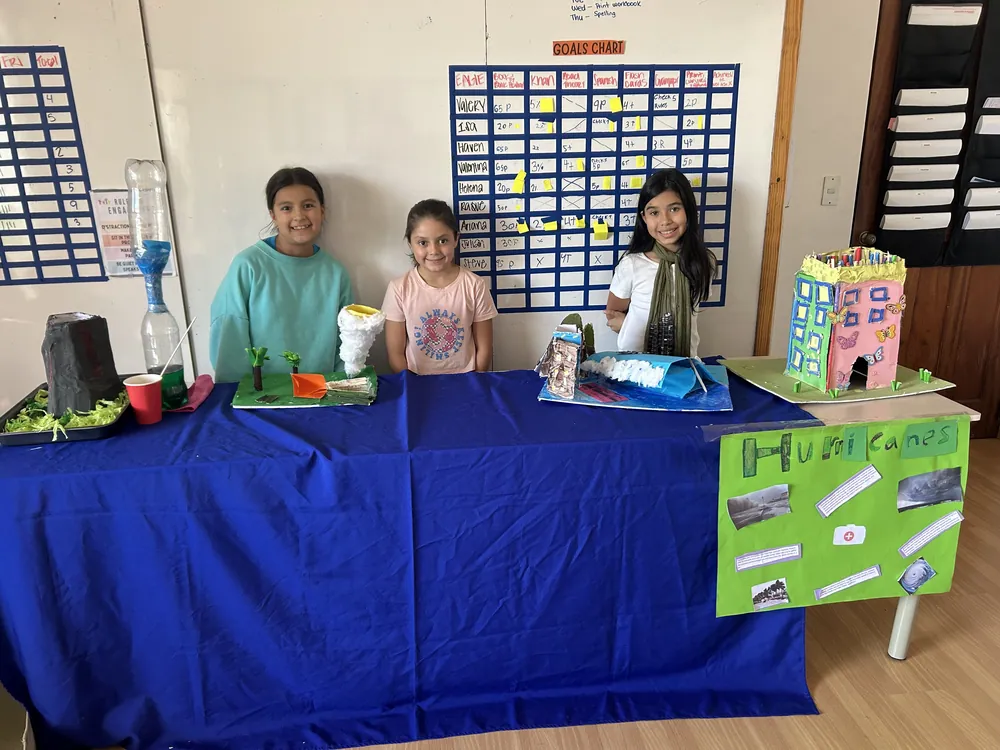
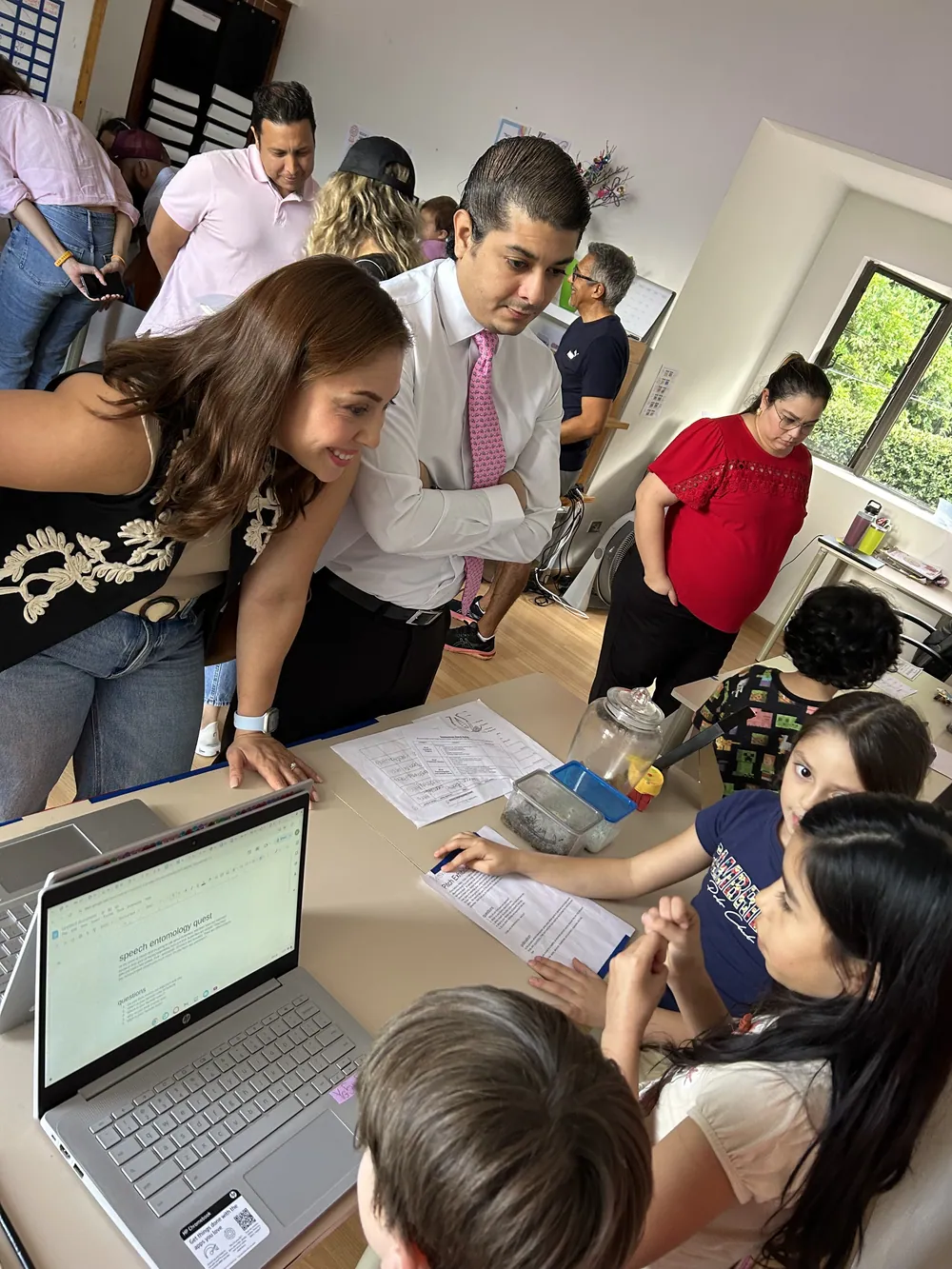
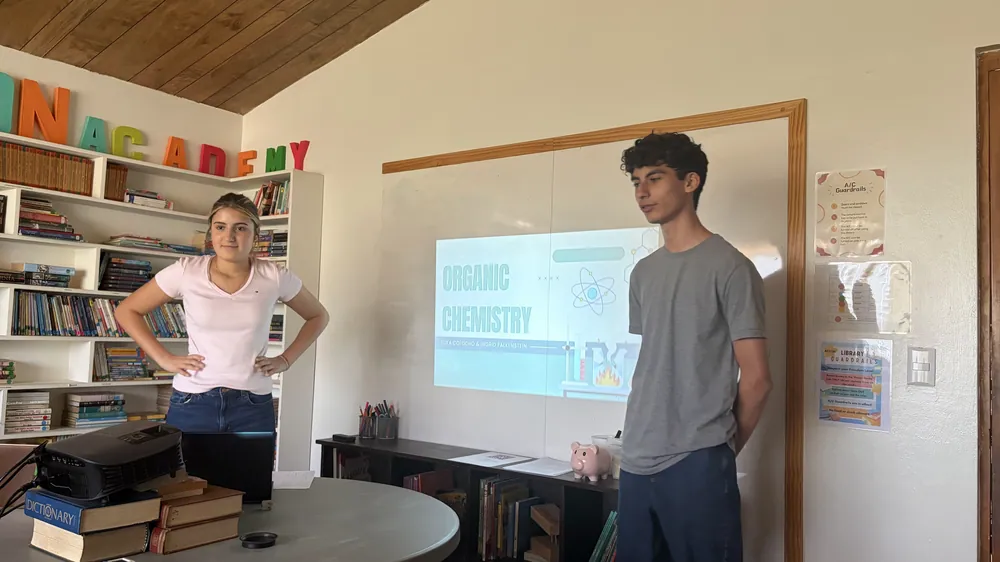
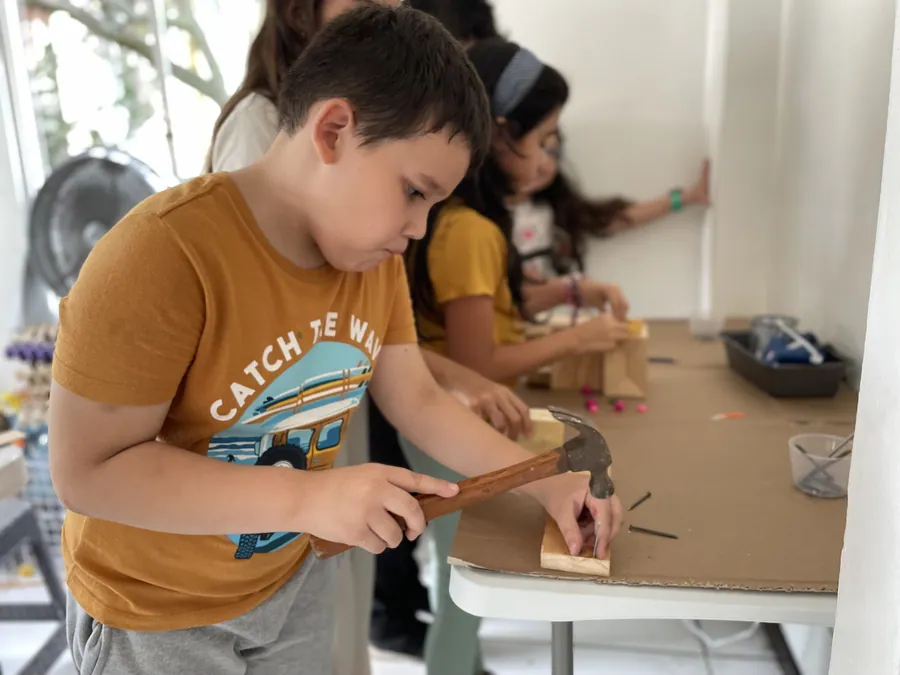
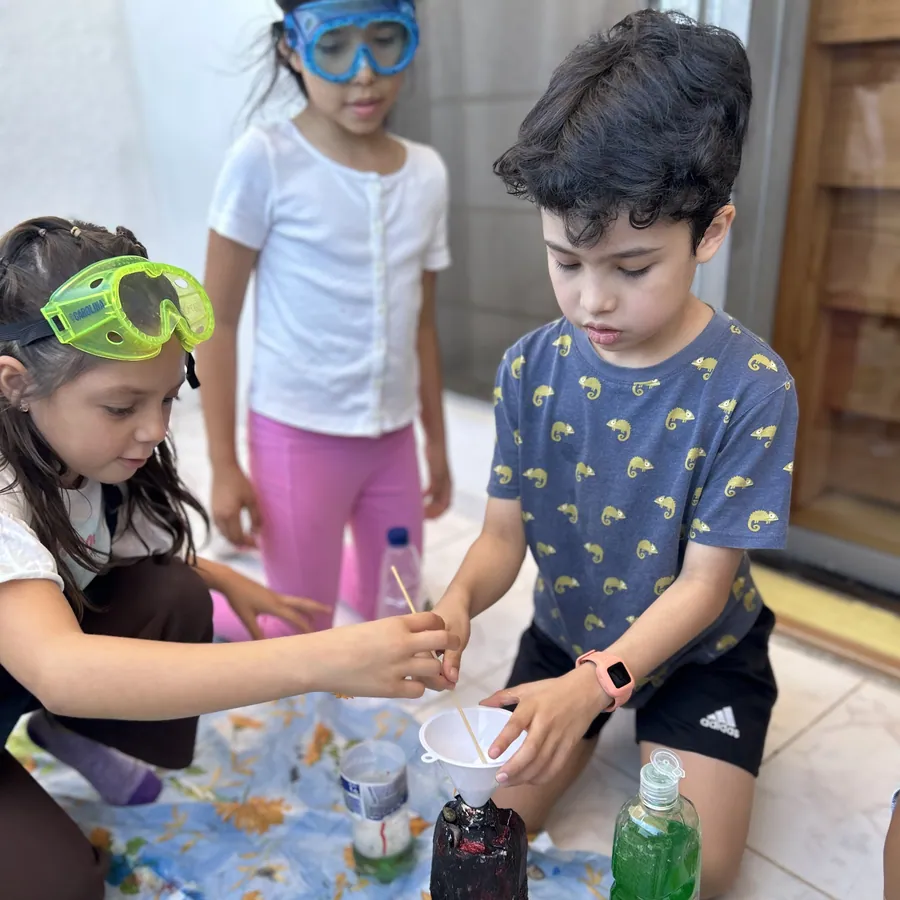
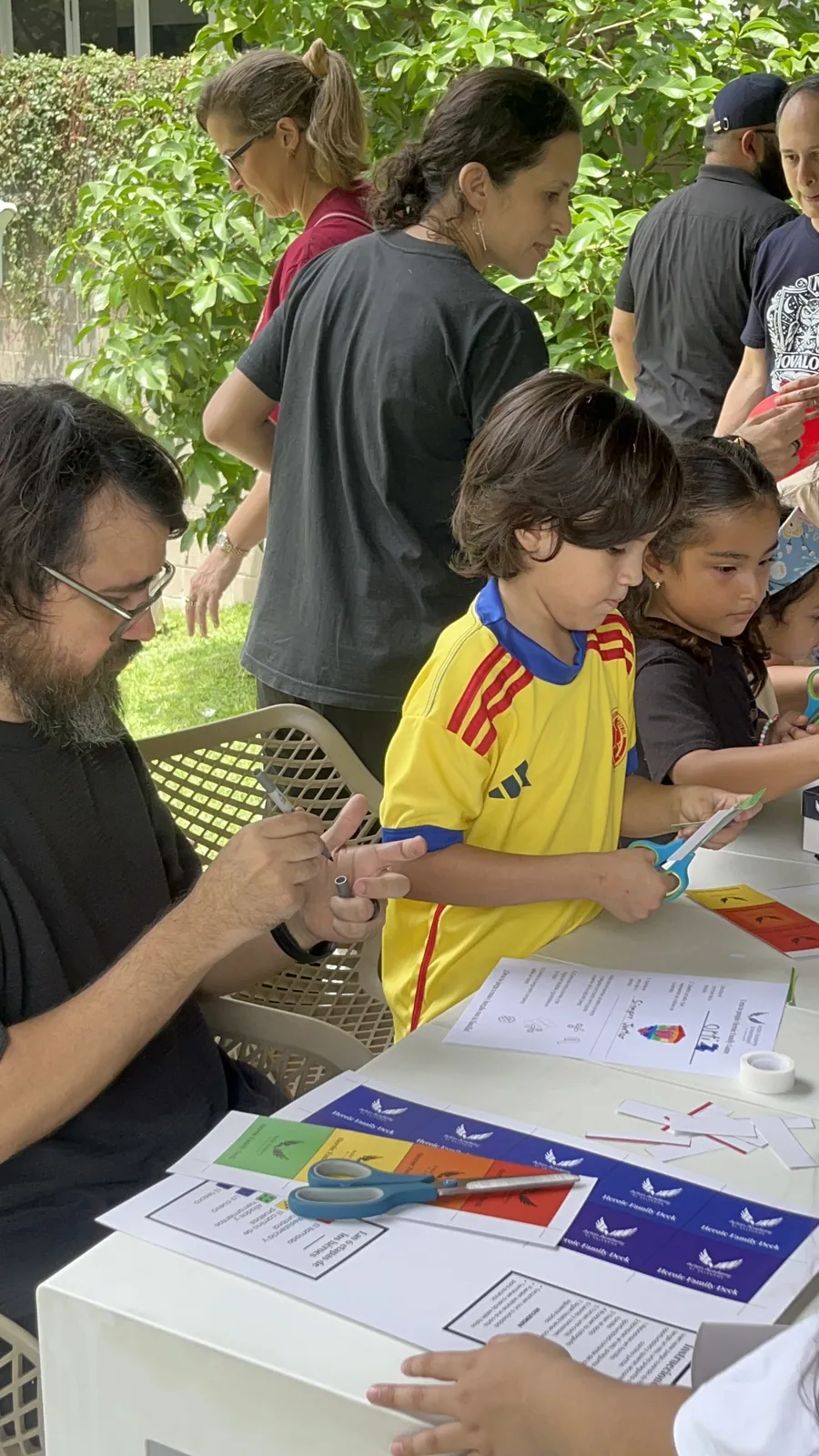
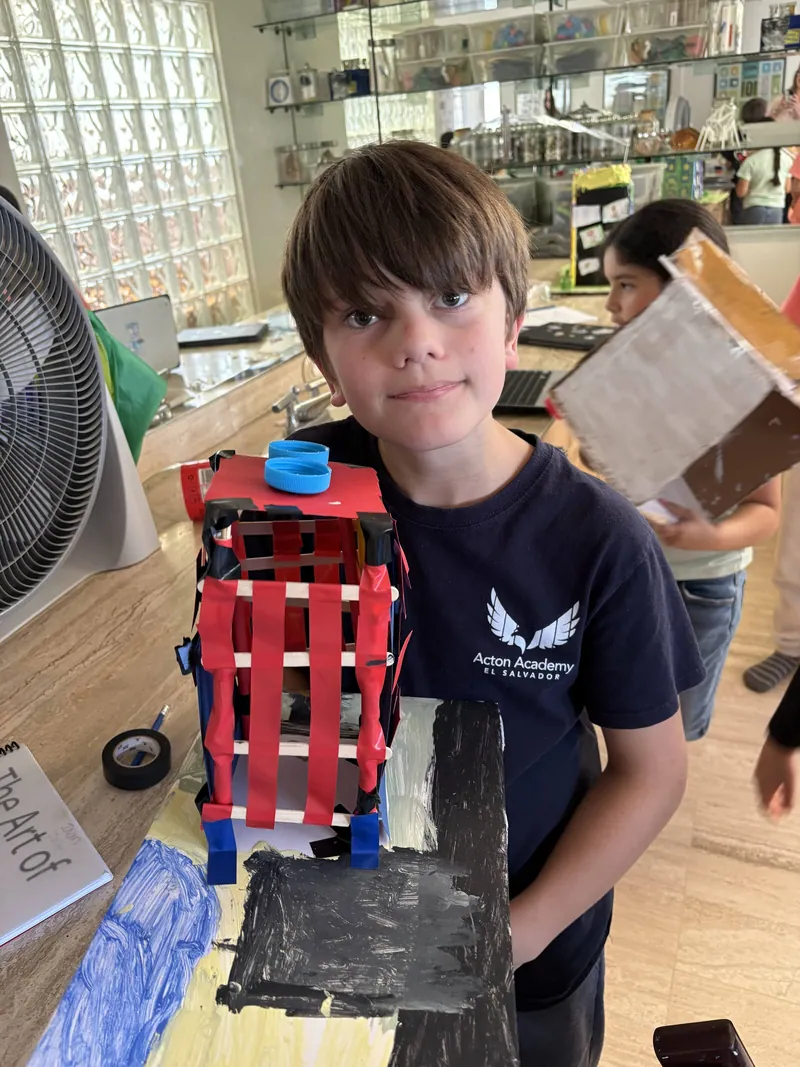
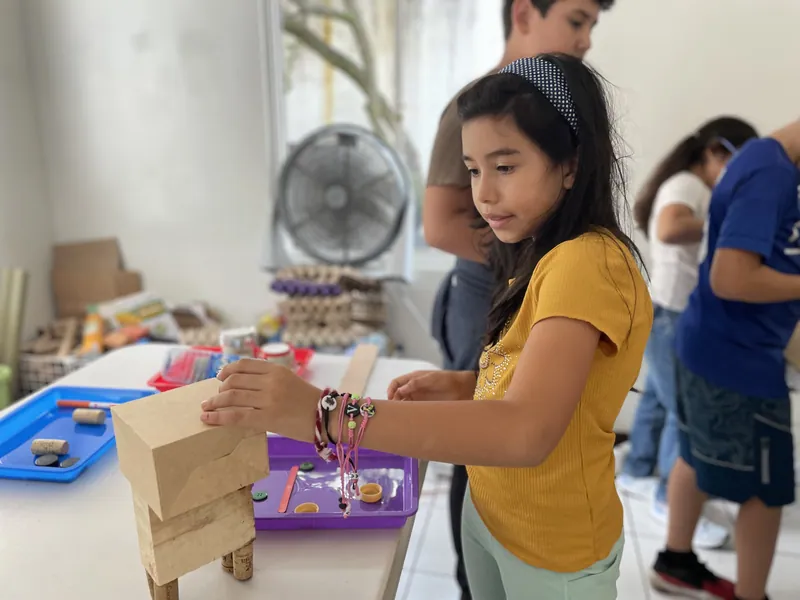
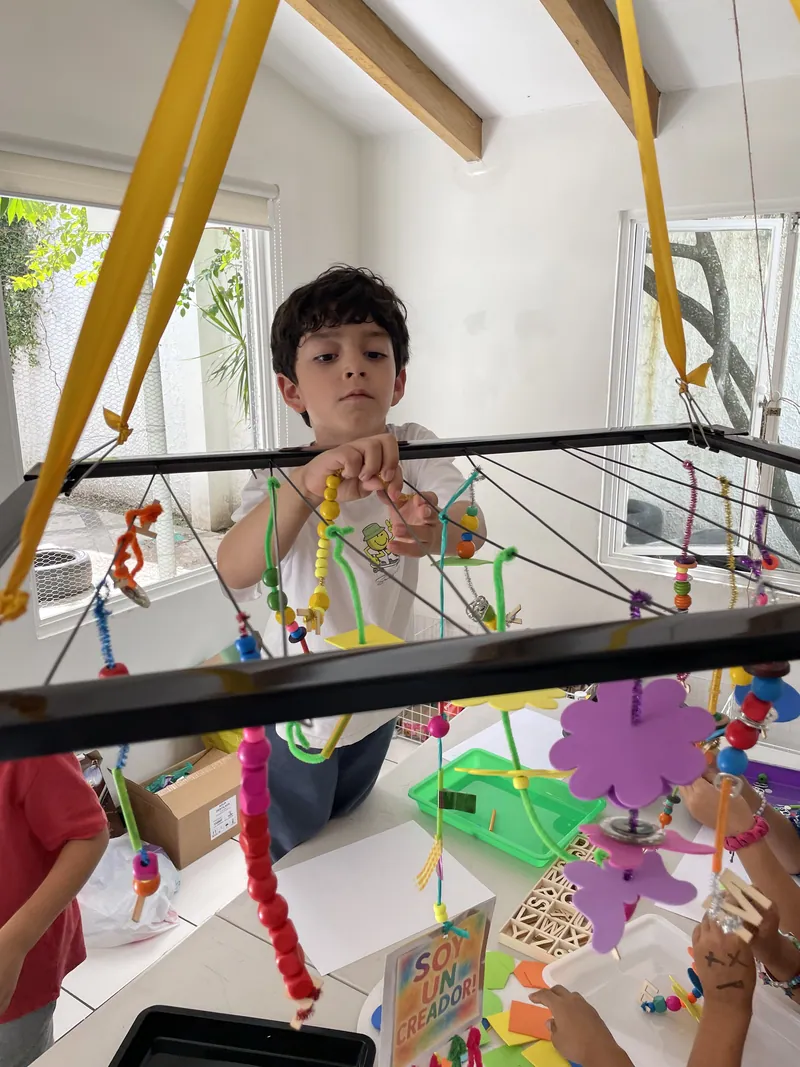
| Projects | Occasional assignments graded by a teacher. | Four to six week quests that end in a public exhibition, in front of families and working professionals. |
| Discipline | Adults enforce the rules on the children. | Learners write the rules, sign the contract, and enforce it themselves through a studio economy. |
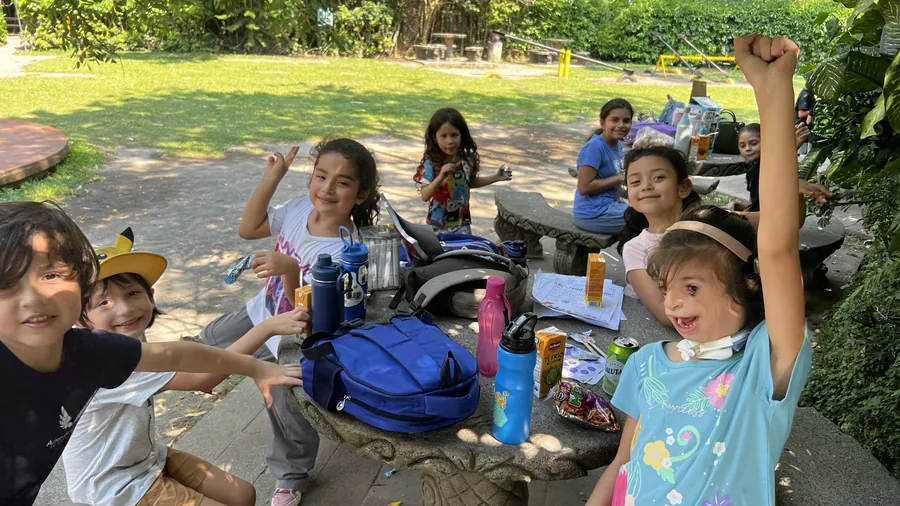
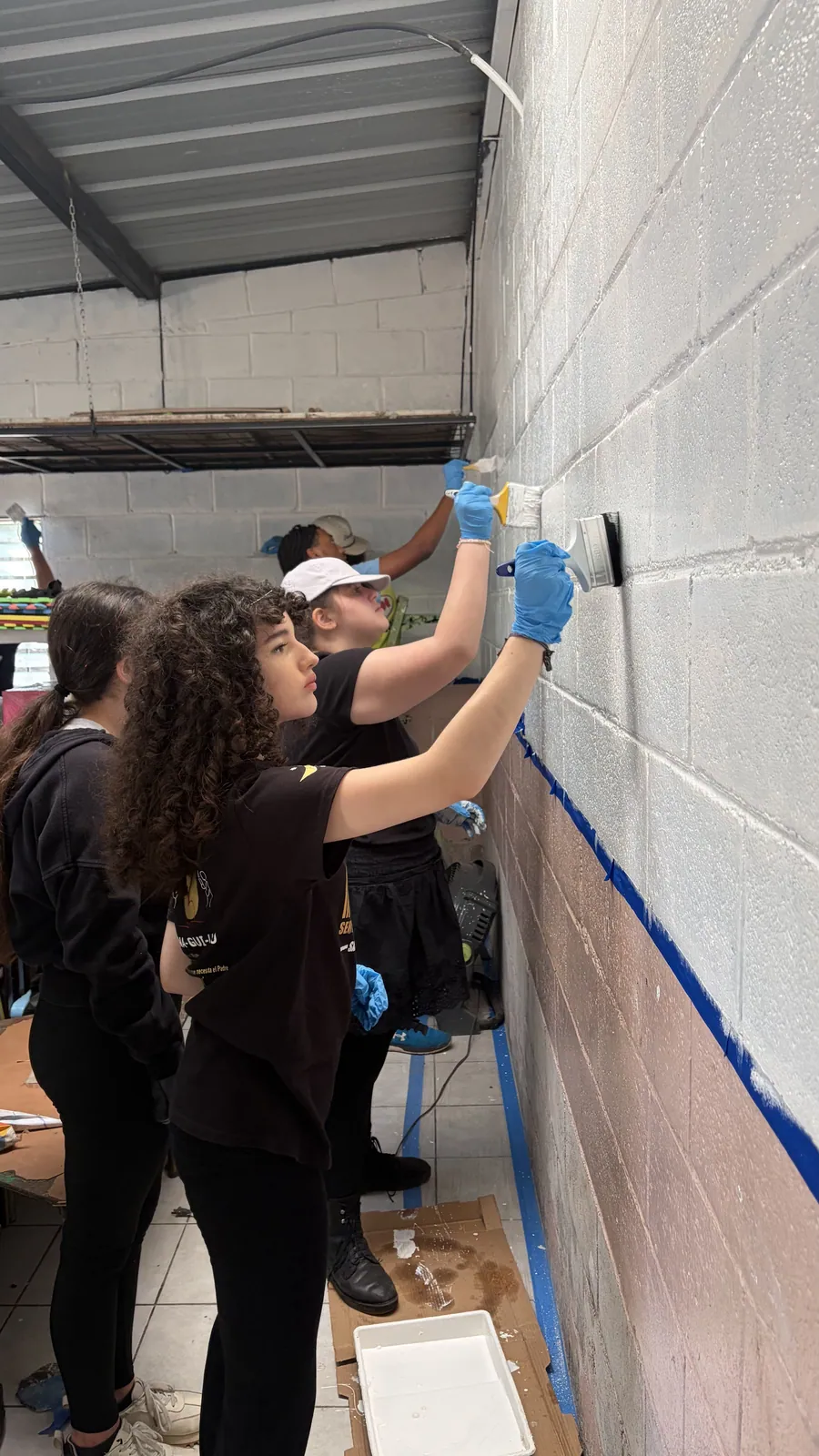
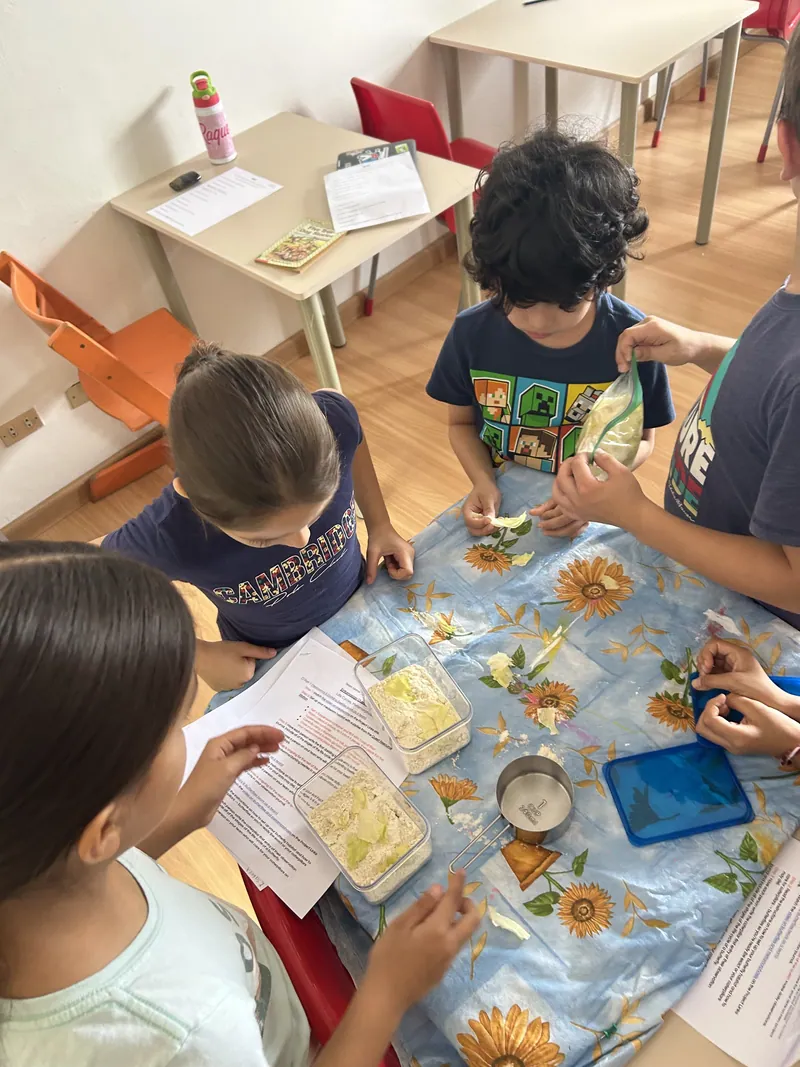
| Responsibility | Staff clean up. Someone calls your mother when you forget your lunch. | Learners sweep, mop, clean the bathrooms and care for the studio. Forget your lunch and you learn something instead. |
| Failure | Something shameful to be hidden behind a grade. | Expected, cheap and early. There is no concept of pena here. You failed? What did you learn, what is next? |
| Preparing for what comes next | Choose a university degree and hope you like it. | Interviews with real professionals, then 40, 80 and 120 hours of apprenticeships, the last of them paid. |
| What it produces | Someone conditioned to wait for instructions. | Someone who believes they can change the environment around them, and has already proved it. |